Planning a trip to Stockholm in winter?
Most travelers avoid the Swedish capital when the cold sets in, thinking the city goes into hibernation.
They couldn't be more wrong.
Between glowing candlelit cafés, frozen archipelago adventures, and vibrant winter festivals, the city transforms into something truly magical—if you know how to navigate it.
This guide shows how to experience the very best of Stockholm in winter, from top attractions to local hidden gems.
Let's dive right in.
01 / THE STOCKHOLM GUIDE
Is Stockholm Worth Visiting in Winter?
Yes, if you plan around short days and the cold: the big indoor sights keep their regular schedules, and there are fewer crowds than in summer.
The Winter Trade-Off: What to Expect
Visiting Stockholm between November and March requires balancing limited daylight with distinct seasonal advantages:
Fewer crowds
Walk straight into premier museums and top restaurants without peak-season queues.
Intimate urban rhythm
The city belongs entirely to locals, giving you an authentic look at Swedish daily life.
Atmospheric lighting
Street lamps, window candles, and architectural uplighting define the visual landscape from mid-afternoon onward.
Aesthetic Shift: Low-Angle Light and Mysigt Culture
The Swedish concept of mysigt (coziness) peaks during the winter months. Because the sun never climbs high in the sky, daylight casts a perpetual golden hour across the waterways and pastel facades. As darkness settles, warm ambient lighting takes over:
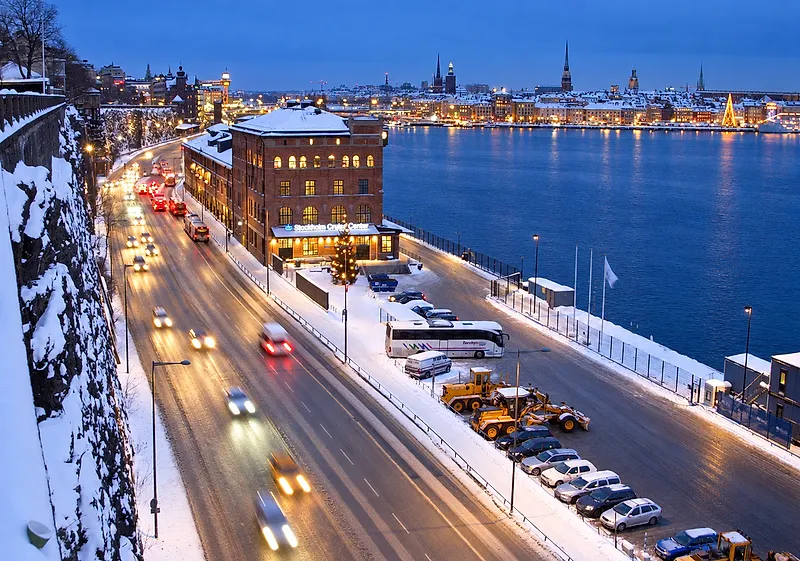
- Illuminated historic facades Buildings across Gamla Stan and Skeppsholmen glow against dark water.
- Warm indoor living Every cafe, restaurant, and bar prioritizes dim amber lights, open hearths, and soft textiles.
- Crisp architectural lines Bare trees and light snow dustings highlight the neoclassical and functionalist architecture across central districts.
Weather Realities: Cold, Dusk, and Pacing
Stockholm winter weather demands realistic planning:
Cold baselinetemperatures often sit around freezing, with colder spells below it, and coastal wind off the Baltic sharpens how it feels.
Early duskmidwinter gives roughly six hours of daylight, and the light goes early in the afternoon, so put outdoor walking in the middle of the day.
Adjusted walking pace The city clears snow and fights ice on walkways, salting some of them, but expect icy patches and walk at a slower, careful pace.
Target Traveler Profile
Stockholm in winter delivers exceptional value for specific travel styles:
Culture and museum seekers
Travelers prioritizing world-class maritime, modern art, and royal history without summer tour groups.
Architecture and design enthusiasts
Photographers and design lovers who appreciate dramatic low-angle light and Scandinavian interiors.
Low-crowd explorers
Independent travelers who favor quiet streets, easy reservations, and slow-paced urban wandering.
02 / THE STOCKHOLM GUIDE
Planning Around Winter Daylight
Around the winter solstice Stockholm has roughly six hours of daylight, so keep outdoor sights for the middle of the day and museums and cafés for the dark afternoon.
Understanding the Winter Light Cycle
THE SUN NEVER CLIMBS HIGH
Daylight 09:00–14:00Blue Hour 14:00–16:00Peak photo window 10:30–13:30
Around the winter solstice Stockholm has roughly six hours of daylight, and the days lengthen through January and February. Look up sunrise and sunset for your own dates rather than working from a fixed clock time, and keep museums and cafés for the dark part of the afternoon.
Because the sun never climbs high into the sky, the city stays bathed in a soft, low-angle golden glow for most of the midday window.
- Peak Photo Window 10:30 AM to 1:30 PM delivers long shadows, warm hues, and crisp reflections across frozen waterways.
- Low Glare Advantage You avoid harsh overhead light, making midday outdoor photography exceptionally crisp.
The 3-Phase Stockholm Winter Itinerary Blueprint
To maximize your time on the ground, structure each day into three distinct daylight-driven phases.
- 09:00 – 14:00
Phase 1: Daylight (09:00 – 14:00) | Outdoor Wandering & Viewpoints
Dedicate 100% of natural daylight to open-air exploration, and keep museum visits for after dark.
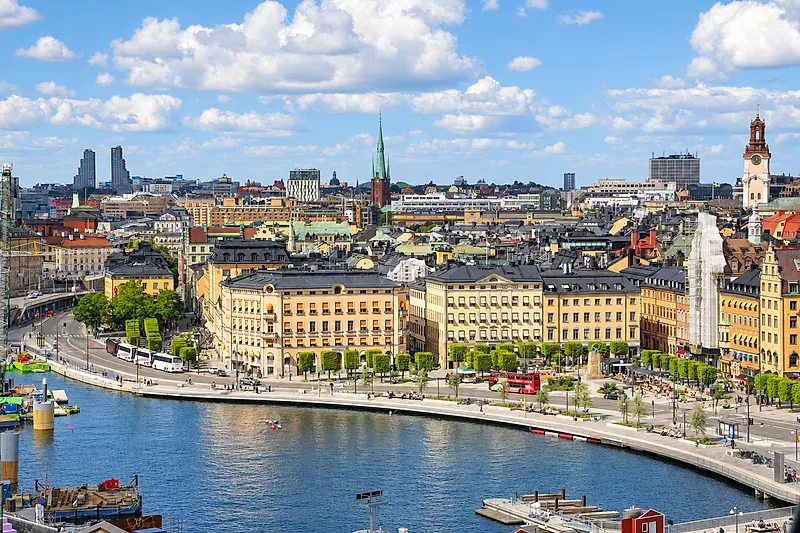
- Top Viewpoints Climb to Monteliusvägen or Skinnarviksberget on Södermalm for wide views over Lake Mälaren and City Hall.
- Walking Routes Explore the waterfront paths around Skeppsholmen and the historic alleys of Gamla Stan while visibility is high.
- 14:00 – 16:00
Phase 2: Blue Hour (14:00 – 16:00) | Strategic Fika Breaks
As the sun drops, Stockholm transitions into blå timmen (the blue hour)—a deep twilight that illuminates illuminated bridges and candlelit storefronts.
- The Fika Ritual Head indoors during the sharpest temperature drop for traditional Swedish fika culture.
- Where to Stop Settle into classic bakeries in Norrmalm or Södermalm for warm cardamom buns (kardemummabullar) and black filter coffee.
- 16:00 – Evening
Phase 3: Darkness (16:00 – Evening) | Culture, Transit Art & Nightlife
Total darkness arrives early, but city infrastructure shifts seamlessly to indoor experiences.
- Museum Hopping Major cultural centers like Fotografiska remain open late into the evening.
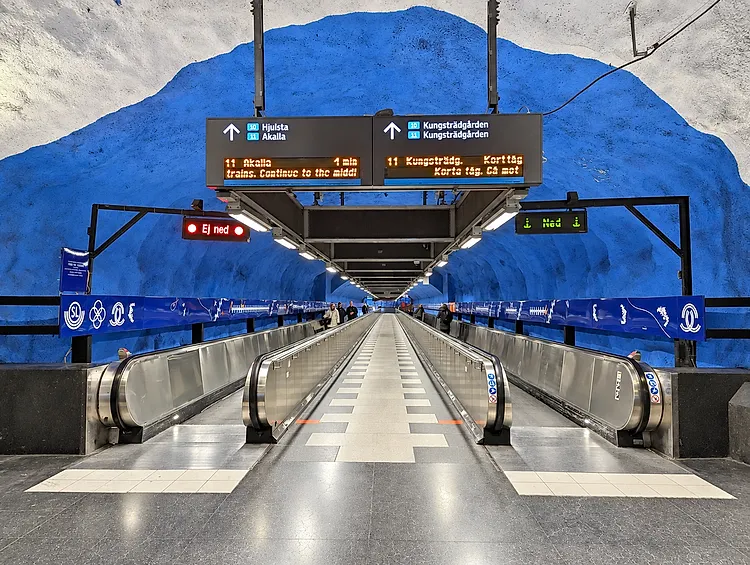
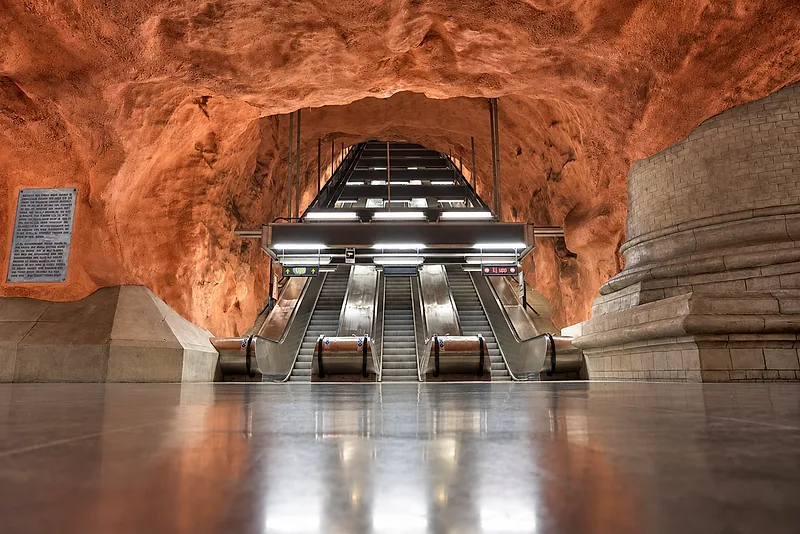
- Stockholm Metro Art Tour Walk the underground network on the Blue and Red lines (visiting stations like T-Centralen, Solna Centrum, and Stadion) to explore 110 kilometers of illuminated cave-like installations.
- Cozy Dining Wrap up the day in historic cellar restaurants featuring warm candlelight, roaring fires, and hearty Nordic menus.
03 / THE STOCKHOLM GUIDE
What Stays Open and What Changes in Winter
The major museums and the Royal Palace keep their regular schedules through winter; what changes are the open-air sights and the waterfronts.
Year-Round Cultural Anchors with Zero Seasonality Drop-Off
The heavy hitters of Stockholm’s cultural scene maintain regular schedules, making them the best indoor things to do in Stockholm when the weather turns harsh.
WHAT IS OPEN WHEN
OpenClosedNot specified in the guide
Days come from the guide’s own table. Check each venue’s calendar for the date of your visit.
- Vasa Museum (Vasamuseet) Climate-controlled to protect the 17th-century warship, this is the ultimate winter anchor. A Vasa Museum winter visit lets you explore the museum in ideal indoor conditions without the peak summer tourist surges.
- The Royal Palace (Kungliga Slottet) The official royal residence in Gamla Stan remains open for tours of the State Apartments, the Treasury and Museum Tre Kronor.
- Fotografiska Positioned on the Södermalm waterfront, this world-renowned contemporary photography museum stays open late into the night, making it ideal for after-dark cultural exploration.
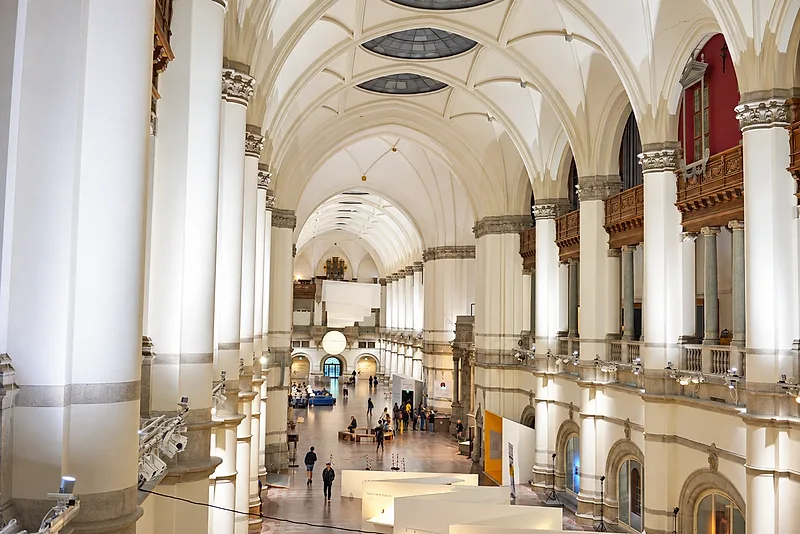
- Nationalmuseum Sweden's premier art and design gallery on Blasieholmen offers massive exhibition halls and is open Tuesday to Sunday.
Winter-Shifted Attractions: Open-Air Spaces and Waterfronts
Outdoor sites do not close entirely, but their operational tempo shifts to match the climate. Visiting these spaces requires a slightly different approach:
- Skansen Open-Air Museum The grounds stay open through winter, with shorter opening hours, for crisp winter walks. You can see Nordic animals like moose, lynx, and reindeer in their winter coats.
- The Djurgården Ferry Line 82 runs all year between Slussen and Allmänna gränd on Djurgården, and an ordinary SL ticket covers it.
- Public Waterfronts & City Parks Promenades along Strandvägen, Skeppsholmen, and Monteliusvägen offer quiet walks with low-light views across the water; watch for icy patches.
Choose museums that suit a short winter daySkansen in every seasonA museum that stays open into the evening
04 / THE STOCKHOLM GUIDE
What to Do in Central Stockholm in Winter
Five winter ideas: Gamla Stan under the streetlamps, a waterfront walk on Djurgården, the metro art, outdoor ice skating and a Swedish sauna.
These are compact, high-reward winter activities within city limits that balance crisp outdoor moments with easy access to warmth.
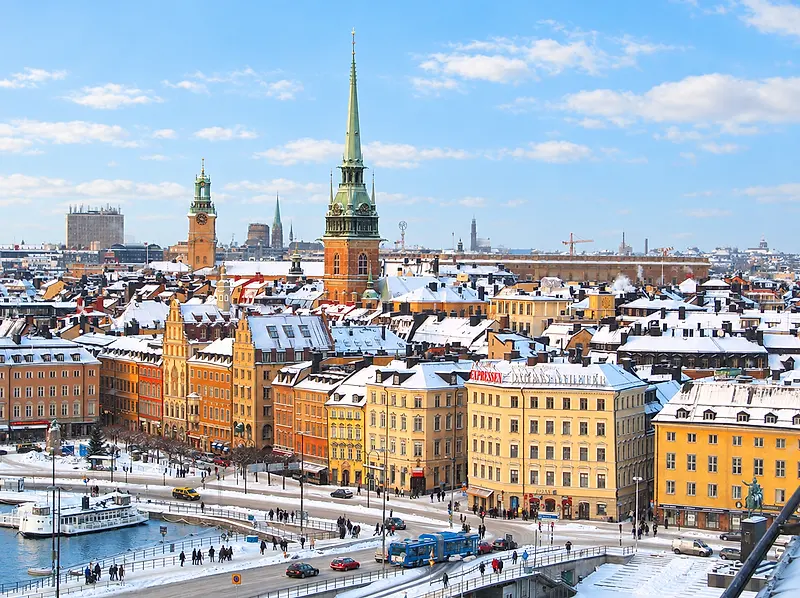
Gamla Stan Under Gaslight and Cobblestones
The medieval heart of Stockholm, Gamla Stan, empties out significantly in winter compared to peak summer. Narrow alleys like Mårten Trotzigs Gränd and the streets branching off Stortorget take on a quiet, atmospheric quality under streetlamps and window candles.
- Medieval street grid The tall 17th-century buildings block biting coastal winds, making Gamla Stan one of the most comfortable walking zones on freezing days.
- Subterranean vaults Warm up in historic vaulted cellars (källarhvalf), where many restaurants and subterranean cafes operate underneath brick arches dating back centuries.
- Practical tip Cobblestones get slick when frost hits, so walk slowly and wear shoes with good grip.
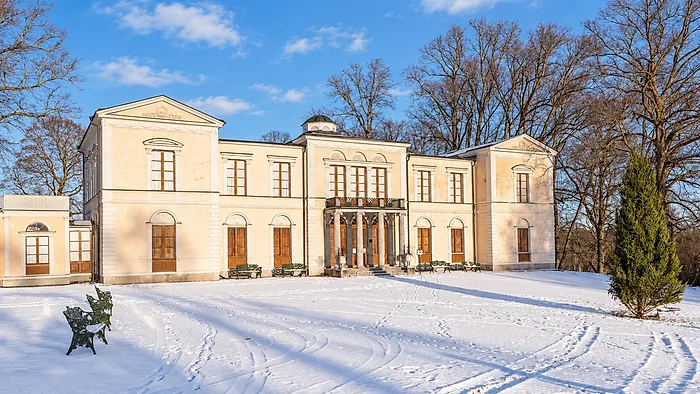
Djurgården: Crisp Waterfront Walk to World-Class Shelters
Djurgården delivers the best combination of open park space and heavy-hitting indoor culture. It lets you take a crisp winter waterfront walk with guaranteed, high-grade indoor shelters every few hundred meters.
Plan your route to walk outdoors while the sun is up, then slip inside the Vasa Museum or an adjacent exhibit hall the moment the cold sets in.
Stop
Waterfront Path
- Winter Advantage
- Low-angle winter sun across the harbor
- Highlights
- Clear views toward Södermalm and Skeppsholmen
Vasa Museum
- Winter Advantage
- Fully climate-controlled, massive indoor scale
- Highlights
- 17th-century salvaged warship; zero winter chill
The Viking Museum
- Winter Advantage
- Fast indoor escape right by the dock
- Highlights
- Interactive history, dark-ride exhibit
Rosendals Trädgård
- Winter Advantage
- Café in the glasshouses
- Highlights
- Wood-fired bakery, locally sourced seasonal food
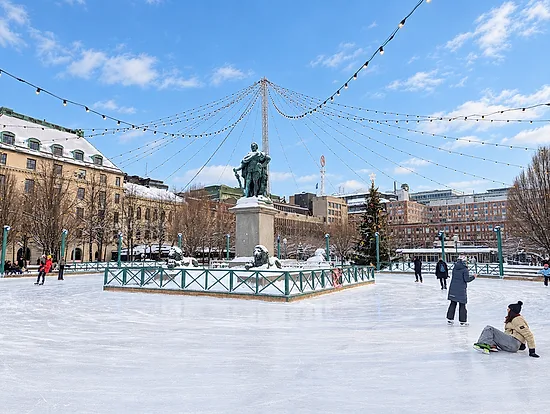
Urban Ice Skating in the City Squares
Stockholm maintains free-access outdoor refrigerated rinks right in the city center. These rinks remain operational even when mid-winter temperatures hover slightly above freezing.
- Kungsträdgården Located in central Norrmalm, this oval rink is framed by warm lights and hot drink kiosks. Skate rentals are available on-site, making it the easiest spot to step onto the ice spontaneously.
- Vasaparken A favorite among locals, this large artificial rink in Vasastan features an open layout suited for casual laps. Bring your own skates.
Both spots are surfaced regularly by maintenance machines, providing clean, smooth tracks in the middle of urban neighborhoods.
Swedish Sauna and Thermal Bath Culture
Winter in Stockholm is incomplete without embracing local heat-and-cold rituals. Sweating in a dry sauna followed by an icy plunge is a fundamental part of staying energized through the dark months.
- Central Bathhouses (Sturebadet & Centralbadet) Classic bathhouses in the city centre, with pools, saunas and quiet relaxation spaces sheltered entirely from winter elements.
- Sauna Etiquette Bring two towels (one to sit on inside the sauna, one to dry off), a refillable water bottle to manage dehydration, and slip-on sandals for cold surfaces between the heat and the water.
05 / THE STOCKHOLM GUIDE
When It Freezes or Pours: Indoor Plans
On freezing or wet days, move indoors: the museums on Skeppsholmen and Blasieholmen, the covered food halls Östermalms Saluhall and Hötorgshallen, and the cafés of Södermalm and Norrmalm.
The Indoor Museum Cluster Route: Skeppsholmen and Blasieholmen
When outdoor walking becomes impractical, head for the compact museum cluster linking Blasieholmen and Skeppsholmen. This setup keeps transit times between major indoor spaces under ten minutes.
- Nationalmuseum (Blasieholmen)
Sweden’s premier art and design museum offers massive heated galleries and expansive Renaissance-to-modern collections.
- Moderna Museet & ArkDes (Skeppsholmen)
A quick walk across the Skeppsholmsbron bridge brings you to modern art and architecture in two museums next door to each other.
- Logistical Advantage
You can easily spend five to six hours hopping between these venues while only spending minutes outside in the cold.
Historic Covered Food Halls: Östermalms Saluhall and Hötorgshallen
Stockholm's historic covered markets (saluhallar) combine architectural heritage with shelter from the weather, making them ideal mid-day refuges.
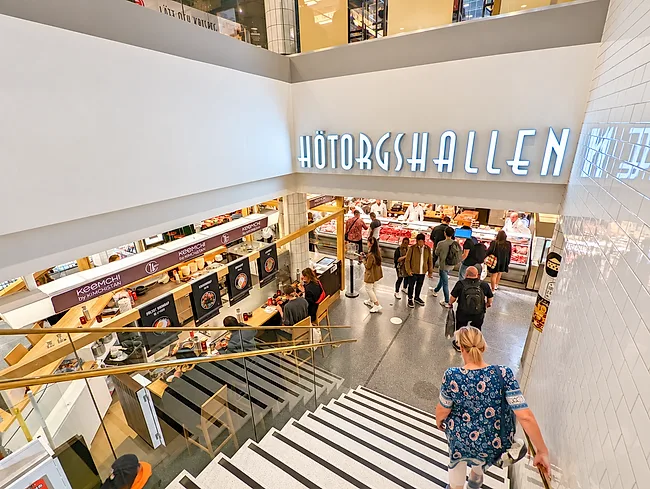
Food Hall
Östermalms Saluhall
- Neighborhood
- Östermalm
- Atmosphere & Best For
- Neo-Gothic 1888 red-brick market; upscale dining counters and heritage fishmongers
- Recommended Winter Dish
- Skagenröra (shrimp salad) from the Lisa Elmqvist counter
Food Hall
Hötorgshallen
- Neighborhood
- Norrmalm
- Atmosphere & Best For
- Two-level market hall with a mix of global stalls and classic Nordic delis
- Recommended Winter Dish
- Kebab at Ankara Kebab, on the lower floor since 1976
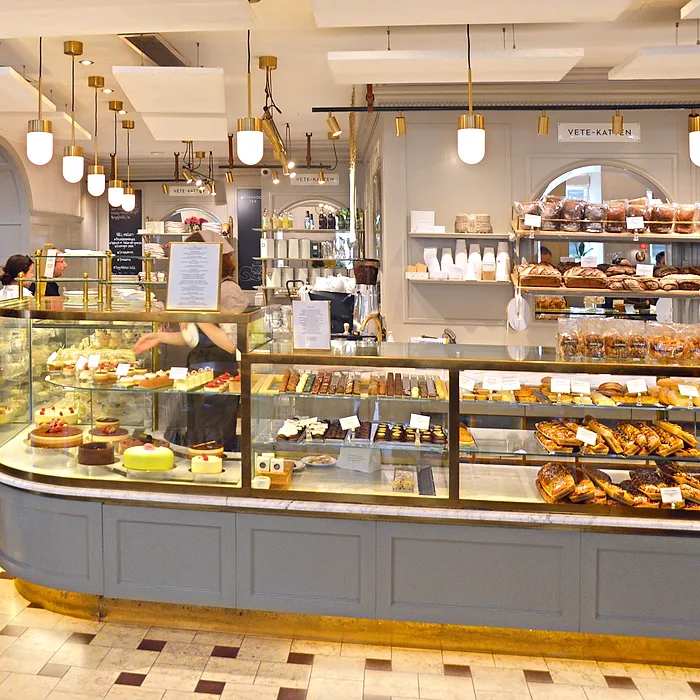
Destination Fika: Embracing Slow Cafe Culture in Södermalm and Norrmalm
When weather grounds outdoor plans, treat Swedish fika culture as a main activity rather than a quick stop. In winter, cafes light candles on every table and run open hearths.
- Vete-Katten (Norrmalm) A historic 1928 labyrinth of vintage rooms, wood-paneled parlors, and quiet nooks. Order a pour-over coffee (bryggkaffe) and a traditional cardamom bun (kardemummabulle), then grab a table deep inside the building to escape the street slush.
- Drop Coffee (Södermalm) & Café Pascal (Vasastan) Modern, specialty coffee destinations featuring world-class roasts, minimalist Nordic interiors, and warm, unhurried seating perfect for sitting out an afternoon storm.
- Il Caffè (Södermalm/City) Dimly lit, cozy, and bustling with locals working or reading while the winter weather rolls outside.
Spend a wet afternoon in the art stationsIndoor days with children
06 / THE STOCKHOLM GUIDE
Staying Warm and Walking Safely
Dress in layers and wear shoes with good grip: the damp coastal air can make zero degrees feel colder than it is.
Layering Like a Local: Base Layers, Outerwear, and Moisture Control
Swedish indoor spaces—from the metro and museums to local bakeries—are aggressively heated. Dressing for a full day of exploring means prioritizing modular pieces that you can vent or strip off instantly to avoid overheating and sweat buildup.
DRESSED FOR OUTSIDE, SURVIVABLE INSIDE
- Next-to-Skin Base Layer
Choose medium-weight merino wool or synthetic thermal tops and bottoms. Avoid cotton entirely, as it traps moisture and cools your core rapidly once you stop moving.
- Insulating Mid-Layer
A lightweight fleece pullover, wool sweater, or compact packable down vest works best. This layer traps warmth while remaining easy to stash in a daypack when stepping inside.
- Windproof & Weatherproof Outer Shell
A thigh-length parka with a wind-blocking exterior membrane is essential. Stockholm’s winter winds off the water cut straight through porous wool coats.
Peripherals A dense knit beanie, windproof gloves or mittens, and a fleece-lined neck gaiter protect high heat-loss areas without the bulk of an oversized scarf.
Indoor spaces are heated hard, so the value of layers is being able to take them off.
Footwear Realities: Grip, Salted Gravel, and Icy Cobblestones
Stockholm's terrain shifts quickly between slushy modern sidewalks, frozen bridges, and steep, uneven cobblestones in Gamla Stan. The city clears snow and fights ice on walkways with grit and salt, but icy patches remain.
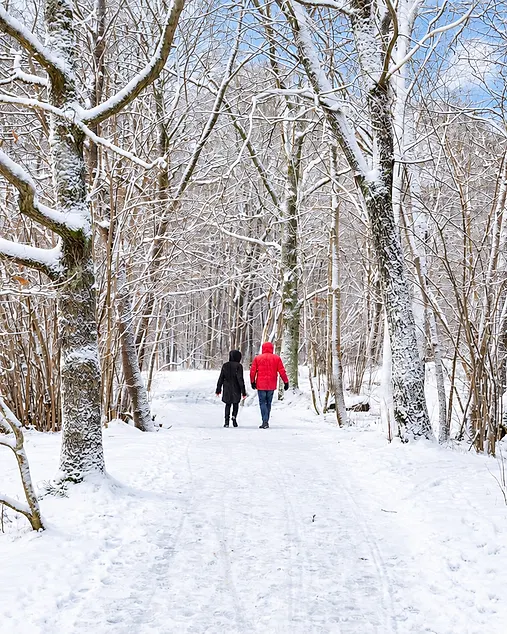
Pack wool-blend hiking socks with cushioned soles to pair with your boots. Leave room inside the toe box; tight boots compress the sock fibers, restrict blood circulation, and cause cold feet within an hour.
07 / THE STOCKHOLM GUIDE
Frequently Asked Questions About Visiting Stockholm in Winter
How Cold Does Stockholm Get in Winter?
Stockholm’s winter is cold but rarely extreme by northern Scandinavian standards. Expect temperatures around freezing through the season, and treat wind, ice and wet weather as mattering as much as the number: check the forecast, layer clothing and allow time for careful walking.
- The wind factor Sea breezes off the Baltic can make freezing air feel significantly sharper.
- The ground reality Freeze-thaw cycles create slick slush and ice on cobblestones, making windproof outer layers and treaded boots essential.
Are Short Stockholm Winter Daylight Hours Enough?
Yes, if you pace the day around the light. With roughly six hours of it at midwinter, split each day into two distinct phases:
- 10:00 AM – 2:30 PM Reserve this window exclusively for outdoor walks through Gamla Stan, island viewpoints, and open-air sights.
- After 3:00 PM Pivot indoors to heated museums, metro station art tours, covered food halls, and evening dining. The early dusk never cuts your day short—it just shifts your focus to indoor culture and illuminated streetscapes.
Is Stockholm Public Transit Reliable in Snow?
Stockholm’s public transit network (SL) runs through the winter, but snow can slow it down, so check for disruptions before you set out.
- The Metro (Tunnelbana) Most of the central network runs underground, out of the weather.
- Buses Can be delayed during heavy snowfall.
What Is the Best Month for Winter Atmosphere?
Your ideal timing depends on whether you prioritize holiday energy or classic winter chill:
TWO DIFFERENT WINTERS
- Stockholm in December
- Best for festive lighting, open-air Christmas markets, warm spiced glögg, and peak neighborhood buzz.
- Stockholm in January and February
- Best for clear, crisp sub-zero days, frozen waterfront views and fewer tourists across major museums.
Months named in the guide. Snow and ice vary year to year — treat this as atmosphere, not a forecast.
BEFORE YOU GO
A flexible plan is a better plan.
Opening hours, admission policies, services and access can change. Check each attraction’s official website and the SL journey planner before travelling. Suggested times in this guide are planning estimates, not venue opening hours or guaranteed transfer times.
SOURCES
- The city clears snow and fights ice on walkwaysstart.stockholm
- Look up sunrise and sunset for your own datessunrise-sunset.org
- the Royal Palace keep their regular scheduleskungligaslotten.se
- A Vasa Museum winter visitvasamuseet.se
- stays open late into the nightstockholm.fotografiska.com
- is open Tuesday to Sundaynationalmuseum.se
- stay open through winter, with shorter opening hoursskansen.se
- Nordic animals like moose, lynx, and reindeerskansen.se
- runs all year between Slussen and Allmänna grändroyaldjurgarden.se
- an ordinary SL ticket covers itsl.se
- Over 90 of the 100 stationsregionstockholm.se
- 110-kilometer subterranean exhibitionvisitstockholm.com
- Östermalms Saluhallostermalmshallen.se
- Hötorgshallenhotorgshallen.se
- two museums next door to each otherarkdes.se
- A historic 1928 labyrinth of vintage roomsvetekatten.se
Last verified .
PHOTOGRAPHS & LICENCES8
- Stadsgårdsleden dec 2010.jpg — Holger.Ellgaard · CC BY-SA 3.0, via Wikimedia Commons. Brightened and colour-adjusted for this page; cropped to fit. The edited version is shared under the same licence.
- Snow covered roofs of Gamla Stan - panoramio.jpg — R. Möhler · CC BY-SA 3.0, via Wikimedia Commons. Brightened and colour-adjusted for this page; cropped to fit. The edited version is shared under the same licence.
- Rosendals slott November 2024 03.jpg — ArildV · CC BY-SA 4.0, via Wikimedia Commons. Brightened and colour-adjusted for this page; cropped to fit. The edited version is shared under the same licence.
- Rådhuset (31176711988).jpg — Tom Björkstedt · CC BY 2.0, via Wikimedia Commons. Brightened and colour-adjusted for this page; cropped to fit.
- Kungsträdgården - 20260106 - 01.jpg — AleWi · CC BY-SA 4.0, via Wikimedia Commons. Brightened and colour-adjusted for this page; cropped to fit. The edited version is shared under the same licence.
- Hötorgshallen 20020611 - 1.jpg — AleWi · CC BY-SA 4.0, via Wikimedia Commons. Brightened and colour-adjusted for this page; cropped to fit. The edited version is shared under the same licence.
- Interior of Vete-Katten on Kungsgatan, Stockholm, 2022.jpg — DimiTalen · CC0, via Wikimedia Commons. Brightened and colour-adjusted for this page; cropped to fit.
- Nacka reservatet i Stockholm 2015 05.jpg — Arild Vågen · CC BY-SA 4.0, via Wikimedia Commons. Brightened and colour-adjusted for this page; cropped to fit. The edited version is shared under the same licence.